



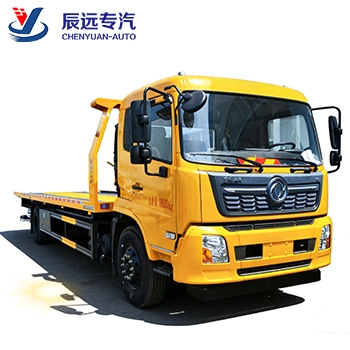
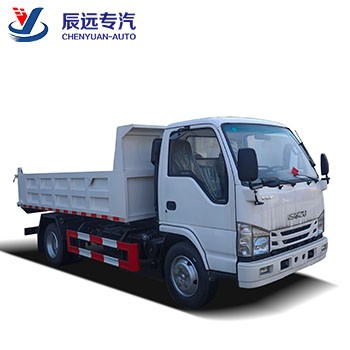
1) Concrete mixer truck lists:
2) Administration requirements for advertising teachers
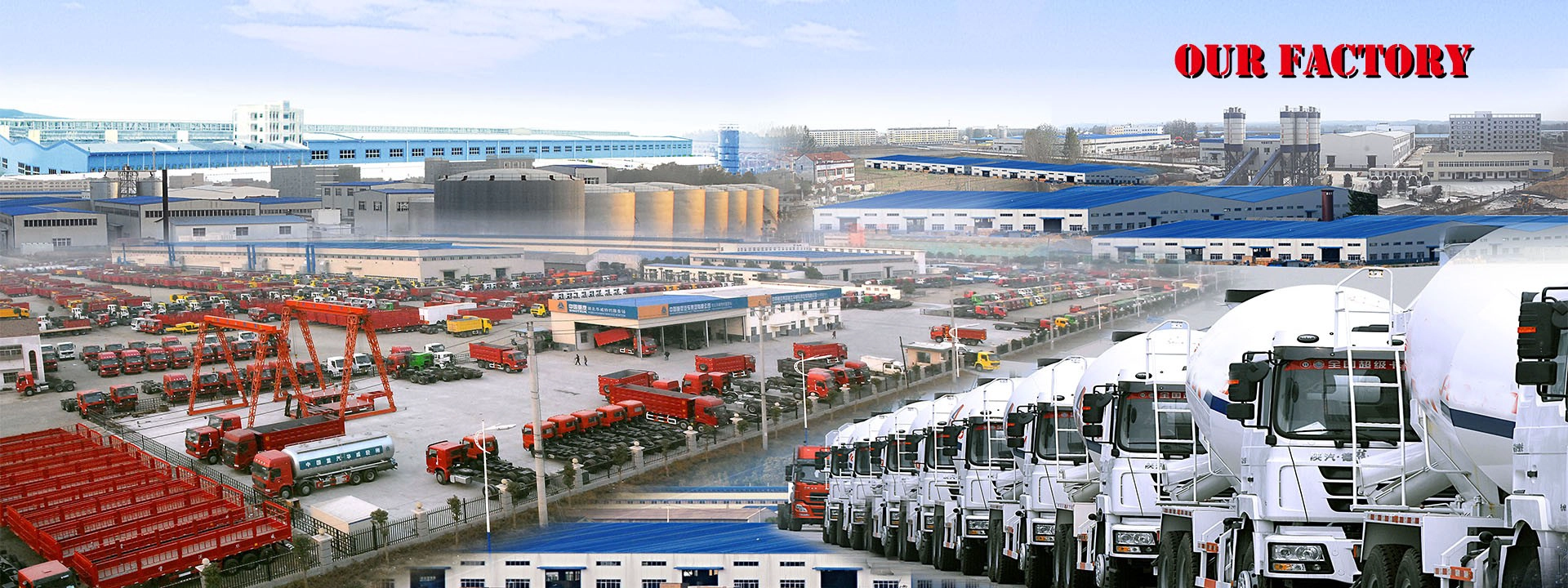
3) Recactions to use concrete mixer trucks
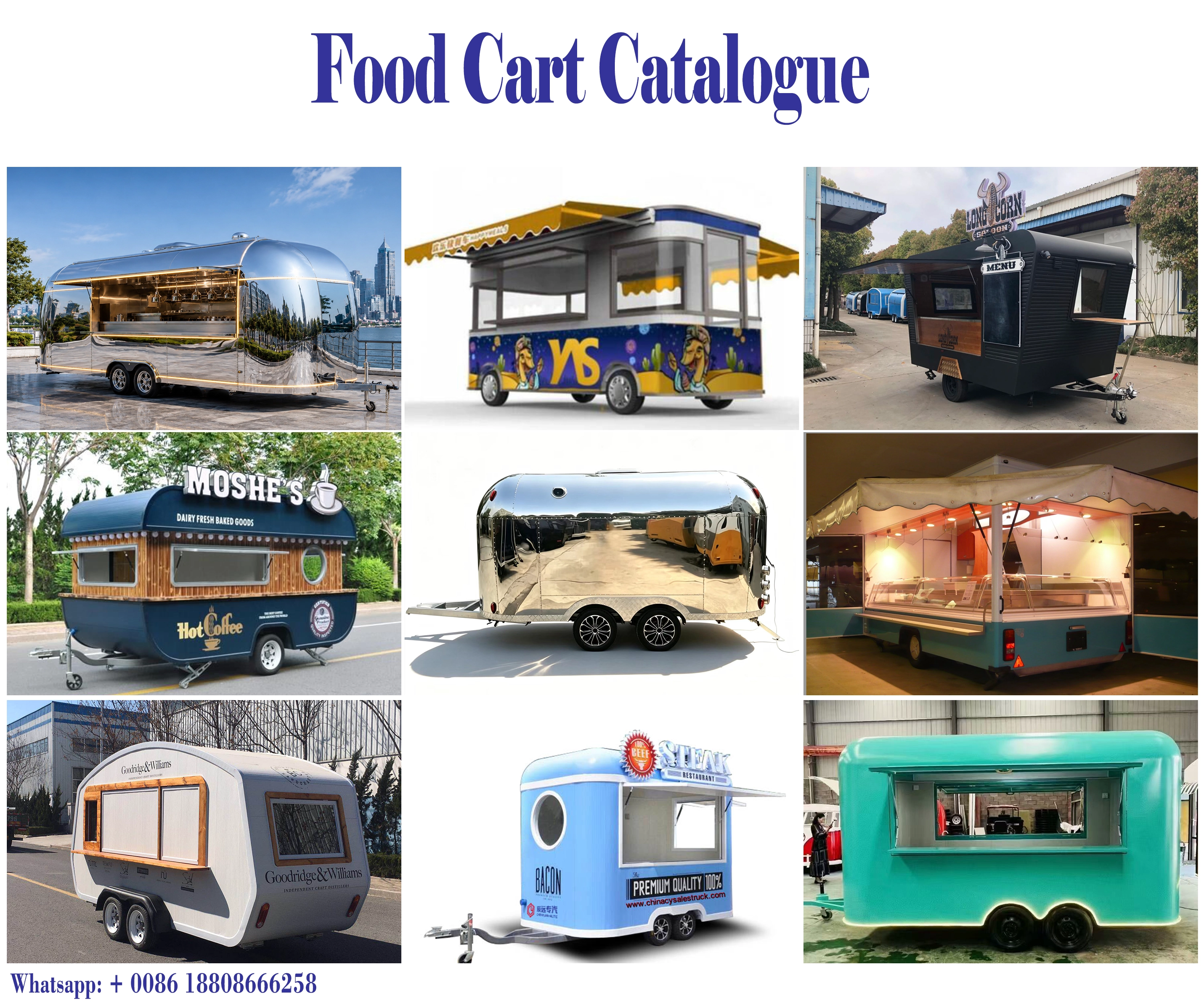
Core Positioning of Modern Mobile Vending Trucks food vehicles
Steven.wang
www.chinacysalestruck.com
2026-09-03 12:13:43
Core Positioning of Modern Mobile Vending Trucks food vehicles
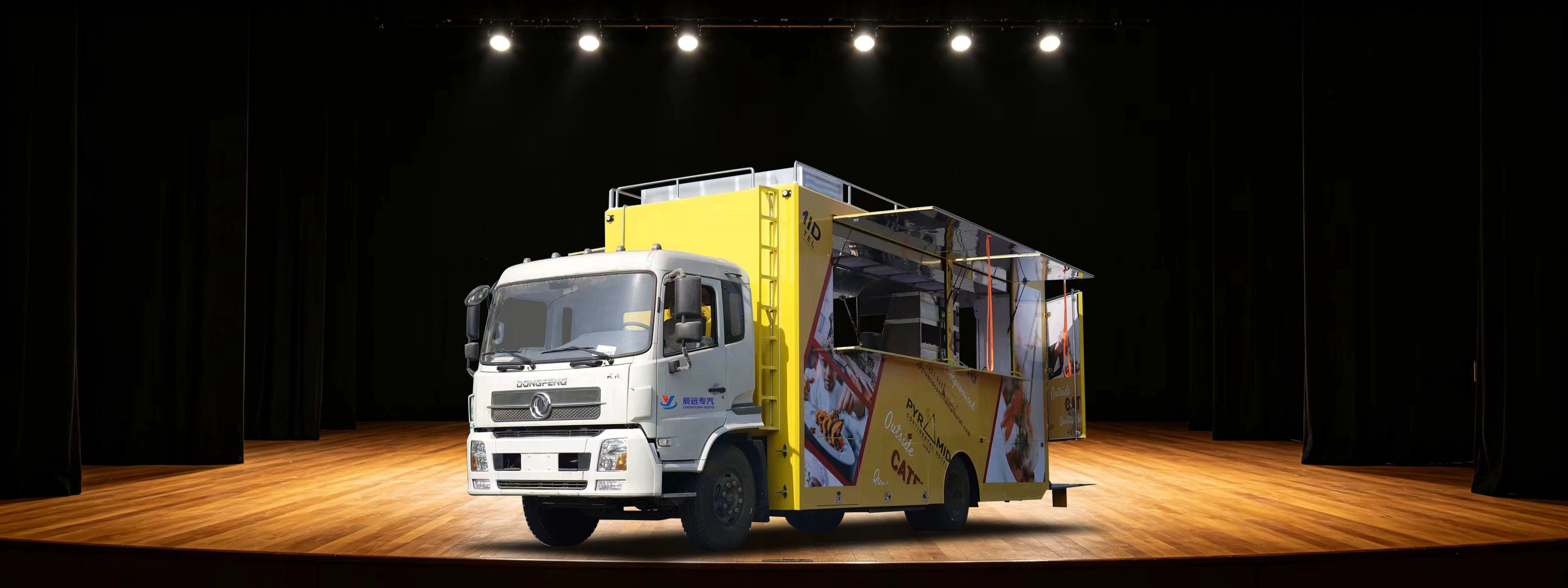
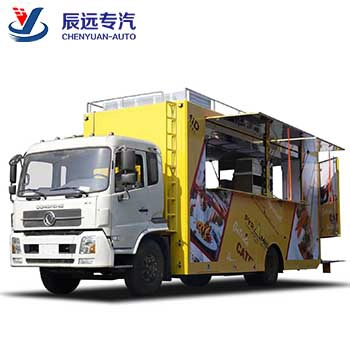
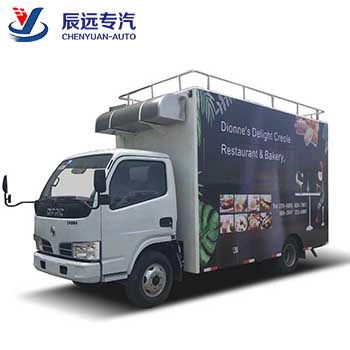
In the rapidly evolving global retail landscape, the traditional fixed-store business model is no longer sufficient to meet the diverse, dynamic consumption demands of modern consumers. The mobile vending truck, as a highly flexible and integrated commercial vehicle, has emerged as a disruptive solution that breaks the spatial and temporal limitations of offline retail. Unlike ordinary cargo trucks or simple modified vehicles, a professional-grade vending truck is a fully enclosed, self-contained commercial platform that integrates product display, transaction processing, on-site service, and brand dissemination into one mobile unit. It is designed to adapt to a wide range of scenarios, from bustling urban business districts and weekend community markets to large-scale music festivals, sports events, industrial parks, and even remote rural areas with sparse commercial facilities.
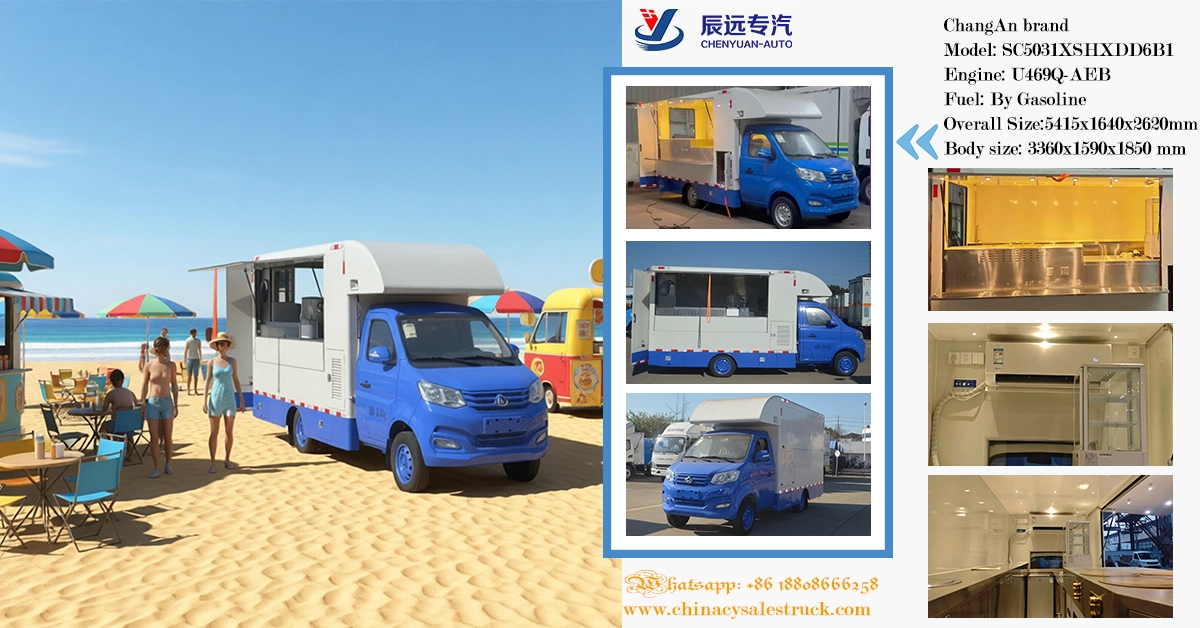
The core value of the modern vending truck lies in its ability to "bring the store directly to the customer" rather than forcing the customer to travel to a fixed store. This mobility drastically reduces the operating costs associated with brick-and-mortar retail, such as high rent, long-term property leases, and large-scale interior decoration investments, while retaining the interactive experience and personalized service that pure e-commerce cannot replicate. For small and medium entrepreneurs, it lowers the threshold for entering the retail and catering industries; for established brands, it serves as a highly flexible offline extension channel that can quickly reach new consumer groups and test market responses without huge capital investment.
🔍 Multi-Dimensional Functional System Architecture
A high-quality commercial vending truck is not just a vehicle with a counter installed inside—it is a carefully engineered system composed of multiple interconnected functional modules, each optimized to support stable, efficient, and profitable daily operations.
First, the mobility and chassis performance module forms the foundation of all operations. Most professional vending trucks are built on a heavy-duty, fuel-efficient light or medium truck chassis, calibrated by manufacturers to carry the full weight of interior equipment, inventory, and on-board utilities without compromising driving stability. The chassis is equipped with reinforced suspension systems to absorb shocks during long-distance transfers, ensuring that fragile products such as glass bottles, baked pastries, or electronic accessories remain intact even when traveling on uneven rural roads. Many models also feature extended service intervals for engine maintenance, reducing downtime and ensuring that operators can move between different event locations on tight schedules without unexpected breakdowns.
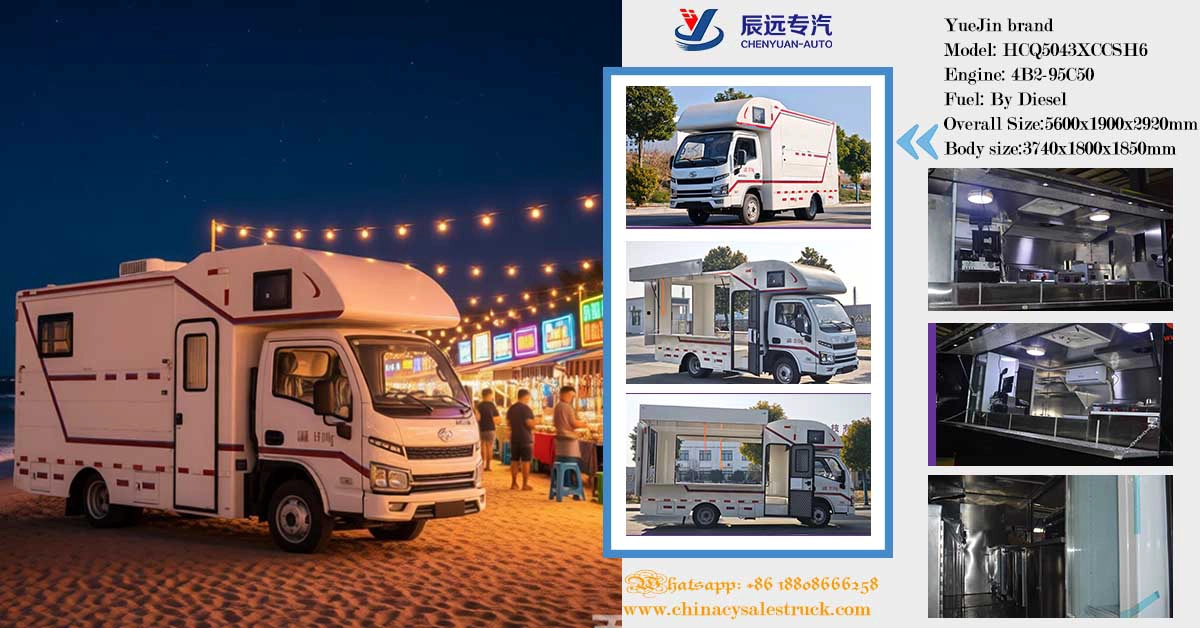
Second, the modular interior layout and display system is the core of the vending experience. The interior space is designed with ergonomic principles in mind, dividing the limited area into distinct zones: a customer interaction zone with a wide, anti-slip service counter, a product display zone with adjustable LED-lit shelves that can be reconfigured for different categories (from packaged snacks and cosmetics to handmade crafts), a storage zone with lockable, dust-proof cabinets for excess inventory, and an operator working zone with easy access to payment terminals and operation controls. Many premium vending trucks are fitted with electric lift display panels that extend outward from the vehicle body when parked, instantly doubling the visible display area and attracting pedestrian attention from dozens of meters away. The interior materials are all food-grade, fire-retardant, and easy to clean, allowing operators to switch between selling cold beverages one day and handmade baked goods the next without cross-contamination risks.
Third, the integrated utility and environmental control system ensures that the truck can operate independently for long periods without relying on external fixed facilities. Most modern vending trucks are equipped with a dual-power supply system: a high-capacity on-board lithium battery pack that supports 8–12 hours of continuous operation for lighting, refrigerators, and POS terminals, paired with a low-noise, fuel-efficient backup generator for extended events where mains power is unavailable. The temperature control system includes both high-efficiency cooling units for perishable goods and independent heating modules for cold weather, maintaining a stable internal temperature range that protects product quality while keeping the operator comfortable during long shifts. For food-service oriented vending trucks, built-in water supply systems with separate clean water and wastewater tanks, hand-washing sinks, and commercial-grade ventilation hoods are pre-installed to meet local health and safety regulations without additional modification work.
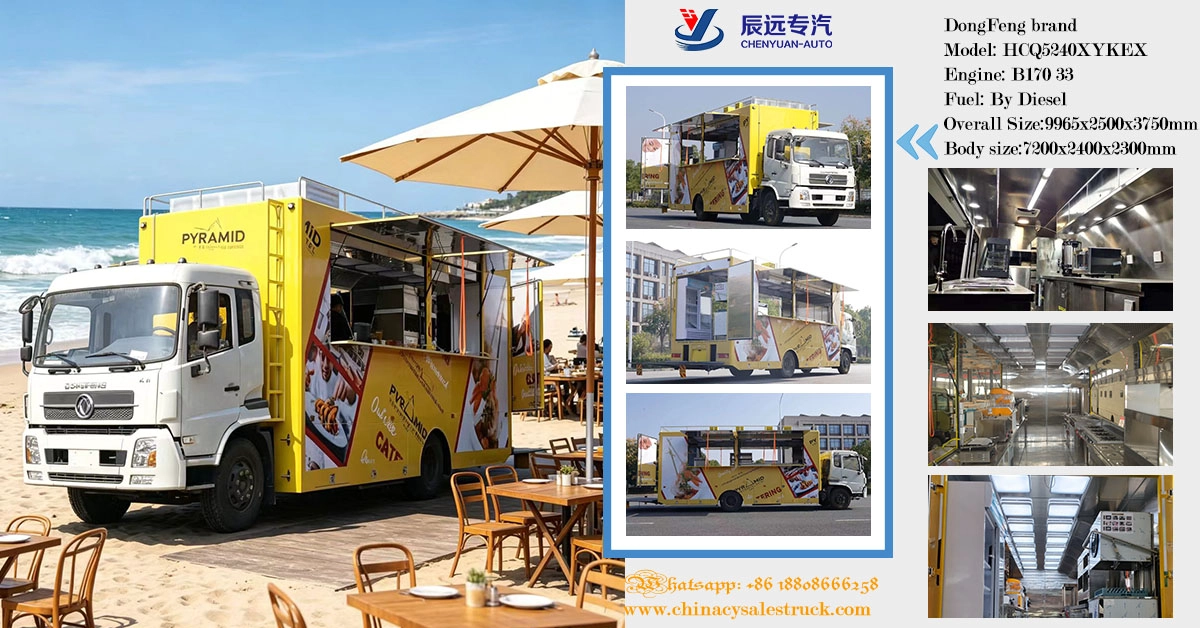
🎯 Scenario-Oriented Value and Operational Advantages
The functional design of the vending truck translates directly into tangible competitive advantages that set it apart from both fixed stores and traditional temporary stalls.
One of the most prominent advantages is its ultra-high scenario adaptability. During large outdoor music festivals, the vending truck can be driven directly to a designated booth area, fully operational within 15 minutes of parking, serving thousands of customers with cold drinks and snacks while maintaining full compliance with event safety standards. In residential communities, it can park at the entrance during evening rush hours, providing fresh fruit, daily necessities, or pre-made meals to residents who are returning home from work, filling the gap in community commercial services that large supermarkets cannot cover efficiently. In industrial parks with thousands of workers but few nearby dining options, a food-focused vending truck can follow a fixed daily route, stopping near factory gates during break times to provide affordable, fast meals that significantly improve worker satisfaction.
Another key advantage is its low-cost, high-flexibility business iteration capability. A traditional physical store usually requires a 1–3 year lease contract, and any adjustment to the store layout or product category involves high renovation costs and long downtime. In contrast, a vending truck operator can completely reconfigure the interior display layout in a single afternoon, switching from selling summer cold drinks in July to selling hot coffee and winter-themed gifts in December. If a certain location proves to have low customer flow, the operator can simply drive the truck to a new business district the next day, without being trapped by a long-term rental contract. This flexibility allows entrepreneurs to test multiple business models quickly, identify the most profitable product mix and operating route, and scale up their business at a far lower risk than opening a physical store.
Additionally, the vending truck serves as a highly memorable mobile brand asset. Its exterior can be fully wrapped with custom brand visual designs, turning the vehicle itself into a moving billboard that attracts attention every time it drives through city streets. Many well-known consumer brands now use fleets of customized vending trucks for national tour promotion activities, setting up interactive game stations, free sample distribution points, and on-site experience zones at different cities, creating far stronger social media dissemination effects than ordinary outdoor billboards. Customers often share photos of uniquely designed vending trucks on social platforms, generating free word-of-mouth publicity that significantly enhances the brand’s youthful, approachable public image.
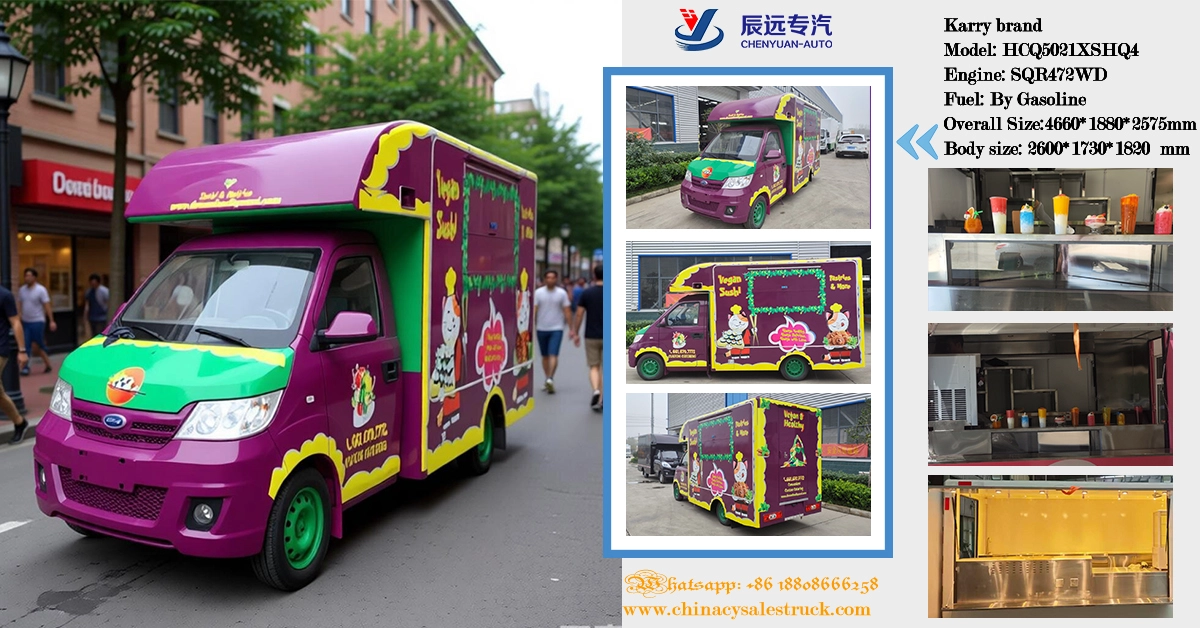
⚡ Intelligent Upgrading and Future Development Trends
As digital transformation penetrates every corner of the retail industry, modern vending trucks are rapidly evolving from simple mobile sales points into smart, connected commercial nodes.
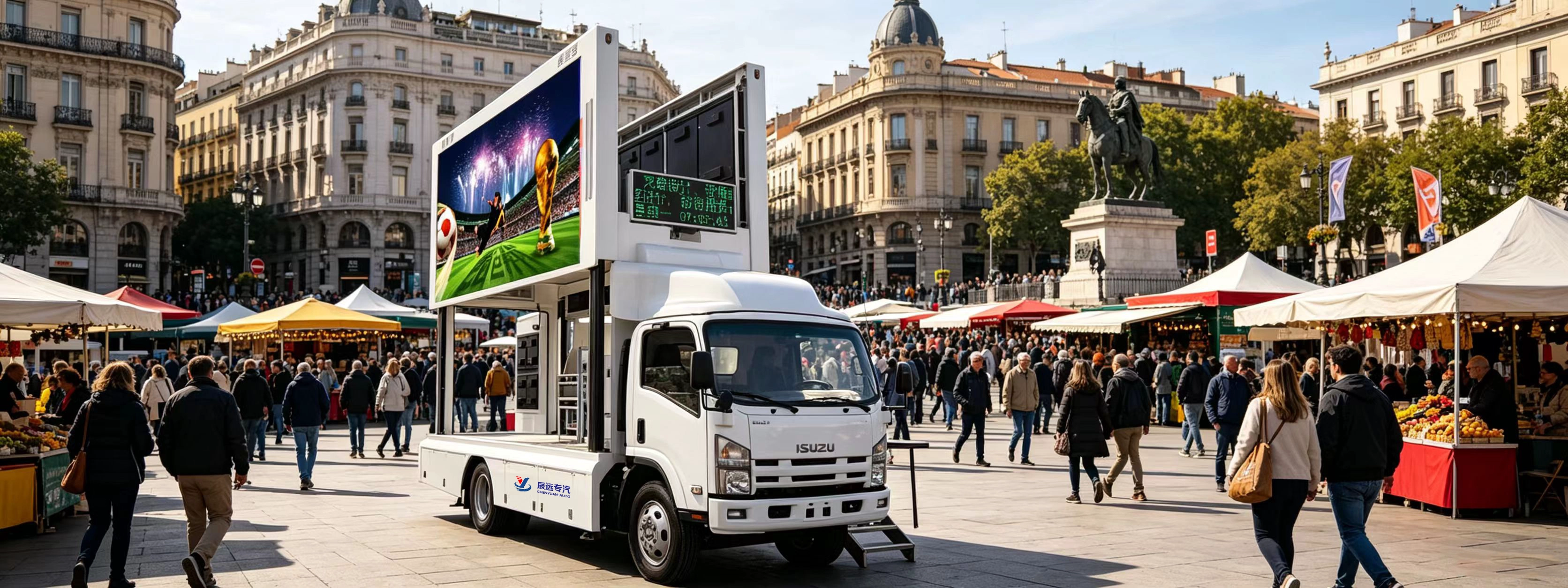
Many new-generation vending trucks are now equipped with AI-powered customer flow analysis systems, using built-in cameras (with full privacy protection compliance) to count the number of passing pedestrians, record peak customer visit periods, and even analyze the age and gender distribution of customers, helping operators adjust their product pricing and promotion strategies in real time. The integrated POS system can automatically synchronize sales data to a cloud-based management backend, allowing operators to check daily turnover, inventory consumption speed, and profit margins remotely via a mobile phone app, without manually counting accounts and stock at the end of each day. Some advanced models even support contactless self-checkout: customers can pick up products from the open display shelves, scan a QR code to enter the mini-program, and complete payment automatically, reducing the operator’s workload and shortening the queuing time during peak business hours.
Looking ahead, the popularization of new energy power systems will further enhance the environmental protection and operational efficiency of vending trucks. Electric vending trucks with zero-emission power systems will be allowed to enter more restricted urban core areas and indoor large-scale exhibition venues, completely eliminating the noise and exhaust pollution caused by traditional fuel generators. Combined with solar panels installed on the top of the vehicle, the on-board battery can be continuously charged during daytime operations, extending the independent operation time to more than 24 hours without any external power supply. In the near future, connected vending truck fleets will be able to form a dynamic retail network, with a central management platform automatically dispatching different trucks to high-demand locations based on real-time data of large events, weather conditions, and regional consumer demand, creating a new era of truly intelligent, on-demand mobile retail.